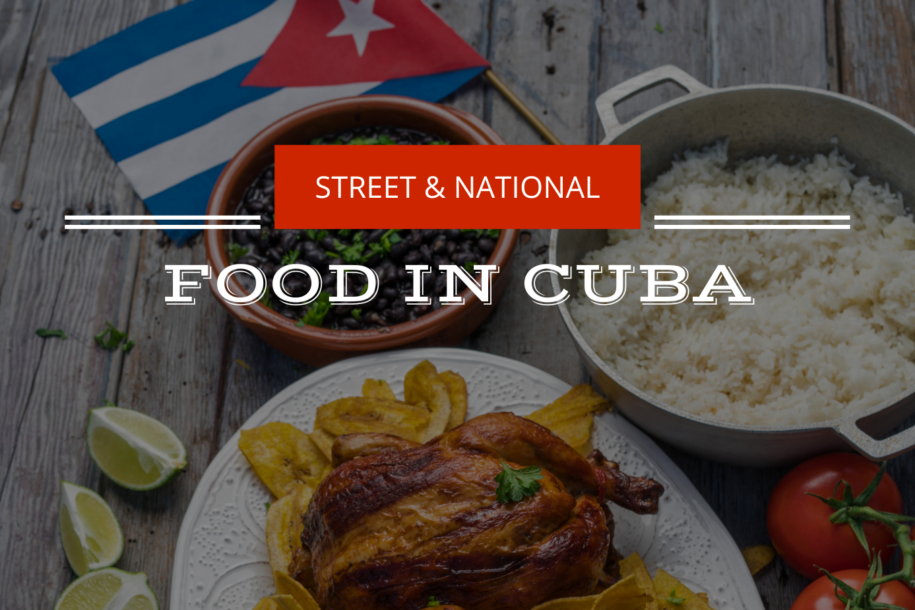
Savoring the Spirit: A Journey Through Street and National Food in Cuba
Cuban cuisine is a vibrant, soulful tapestry woven from centuries of cultural fusion. It’s a sensory experience that tells the https://cubanbistrorestaurant.com/a story of Spanish colonizers, enslaved Africans, and indigenous Taíno people. In Cuba, food is more than just sustenance; it is a celebration of community, resilience, and identity that thrives even in times of scarcity.
The National Soul: Ropa Vieja and Beyond
At the heart of the Cuban kitchen lies its national dish, Ropa Vieja. Translating literally to “old clothes,” this savory stew features shredded beef brisket or flank, slow-cooked in a rich tomato base with onions, bell peppers, garlic, and aromatic spices until tender. Legend says its name comes from a poor man who, unable to buy food, shredded and cooked his own clothes, which were miraculously transformed into this hearty meal.
While Ropa Vieja holds the title, other national favorites include:
- Lechón Asado: A succulent whole suckling pig, slow-roasted until the skin is perfectly crisp (crackling). It’s typically marinated in mojo, a signature Cuban sauce made from garlic, bitter orange, and oil.
- Vaca Frita: “Fried cow” consists of marinated, shredded beef that is seared until it reaches a delightful crispiness, often served with sautéed onions.
The Essential Sides: Rice, Beans, and Plantains
No Cuban meal is complete without its foundational staples. Rice and beans are ubiquitous, appearing in two main forms:
- Moros y Cristianos: Translating to “Moors and Christians,” this dish signifies the historical blend of African (black beans) and Spanish (white rice) heritage. The beans and rice are simmered together, causing the rice to take on a deep, savory shade.
- Arroz con Frijoles: Here, fluffy white rice and thick black bean stew are served separately, allowing diners to mix them to their liking.
Accompanying these are plantains, served as either sweet, soft maduros (ripe) or salty, crunchy tostones—thick slices that are double-fried and pressed flat.
Street Food: The Heartbeat of Havana
Wandering through the streets of Havana, the air is thick with the scent of sizzling meats and sweet dough. Street food offers a window into everyday life:
- Cuban Sandwiches: A pressed delight of roast pork, ham, Swiss cheese, pickles, and mustard on crusty Cuban bread.
- Pan con Lechón: A simpler but beloved favorite—a warm sandwich stuffed with slow-roasted pork and zesty mojo.
- Churros: Deep-fried dough squiggles coated in sugar, often sold from carts in paper cones for a sweet on-the-go treat.
From the humble family table to the bustling street corner, Cuban cuisine remains a flavorful testament to the island’s enduring spirit and rich cultural mosaic.
Would you like a traditional recipe for one of these dishes, or perhaps some travel tips for finding the best local eats in Cuba?
Leave a Reply