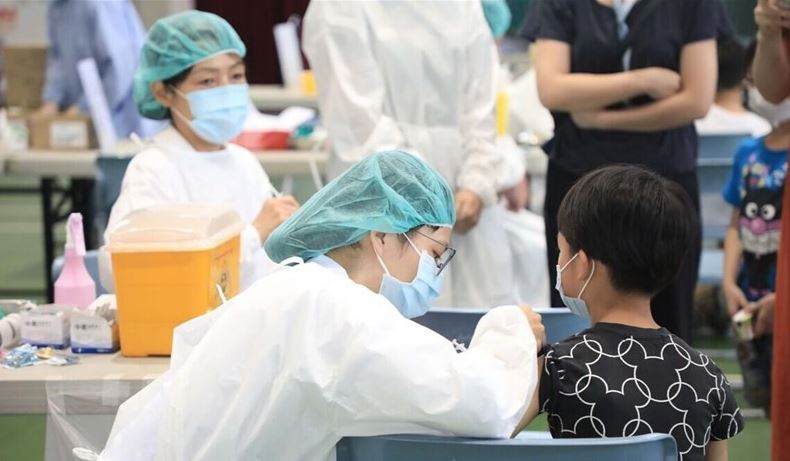
Guardians of the Classroom: Taiwan’s Massive School-Based Vaccination Success
In the heart of Taiwan’s public health strategy lies a powerful, community-driven engine: school-based vaccination (SBV). For decades, the island nation has leveraged its highly organized school system to deliver life-saving immunizations to millions of children, achieving coverage rates that consistently rank among the highest in the world. By bringing healthcare directly to students, Taiwan has not only controlled major infectious diseases but has also built a resilient infrastructure capable of responding to global emergencies like the COVID-19 pandemic.
A Heritage of Public Health Excellence
Taiwan’s commitment to mass vaccination began in earnest in the mid-1950s with the fight against polio, a campaign that successfully signaturenurse reached every household and virtually eradicated the disease on the island. This momentum continued with the 1984 launch of a nationwide hepatitis B program, which utilized school-based catch-up rounds for primary students to ensure no child was left unprotected.
Today, the National Health Insurance (NHI) program provides a total of 19 doses of publicly funded routine vaccines for children before they enter elementary school. For older students, the school serves as a secondary frontline for:
- Annual Influenza Shots: Since 2007, government-funded vaccines are delivered on campus to mitigate seasonal outbreaks.
- MMR Boosters: Second doses of the measles, mumps, and rubella vaccine are typically administered at school entry, maintaining herd immunity levels that exceed those of many Western nations.
- Catch-up Programs: Schools serve as critical checkpoints for students who missed doses of tetanus, diphtheria, and Japanese encephalitis vaccines during their preschool years.
Rapid Response: Schools and the COVID-19 Era
The true versatility of the SBV model was demonstrated during the COVID-19 crisis. Starting in May 2022, Taiwan’s Central Epidemic Command Center (CECC) launched a massive campaign to vaccinate children aged 5–11. By collaborating with the Ministry of Education, local health departments were able to transform gymnasiums and classrooms into temporary clinics, providing Pfizer-BioNTech and Moderna shots to thousands of students in a single week.
To address parental concerns and reduce vaccination-related stress, Taiwan implemented specific site layout guidelines, such as queueing children in small groups to minimize the sight of their peers receiving needles. This organized approach helped boost vaccine series completion for adolescents (12–18) to 86.6% by mid-2022.
The Secret to Taiwan’s High Coverage
The success of these programs is rooted in a culture of trust and accessibility. Research indicates that Taiwanese parents view medical staff as their most trustworthy source of information. By placing these professionals in the familiar setting of a school, the “barrier to care” is significantly lowered.
Furthermore, the integration of digital tracking through the National Immunization Registration Information System allows schools and health centers to monitor progress in real-time, ensuring that coverage for “obligatory” vaccines remains above 97%. This synergy between the Department of Health and the Ministry of Education ensures that Taiwan remains a global leader in pediatric preventative care.
Would you like to explore the current schedule for routine childhood vaccinations in Taiwan or learn about subsidies available for newer, self-paid vaccines?
Medical Disclaimer: This article provides historical and general public health information. For personal medical advice or current vaccination schedules, please consult a qualified healthcare provider or the Taiwan Centers for Disease Control.
Search Scanned: Taiwan CDC, Taiwan News, PubMed.
Leave a Reply