Sweet and Savory Pockets: The Art, History, and Tradition of Inari-zushi
The Core Ingredient: Abura-age Pockets
The defining feature of inari-zushi is the pocket that holds the rice, known as abura-age. Abura-age is made from thin slices of tofu that are deep-fried twice, which causes them to puff up and create a hollow space inside.
To prepare them for sushi, these tofu pockets are simmered gently in a rich, traditional broth made of dashi stock, soy sauce, mirin, and sugar. The sponge-like tofu completely absorbs the sweet and savory liquid. Once cooked, the pockets are gently squeezed to remove excess broth, leaving them juicy, tender, and ready to be stuffed with seasoned rice.
The Spiritual Connection to the Fox God
The name “Inari” comes with a fascinating history rooted in Japanese folklore and religion. Inari is the Shinto god of agriculture, rice, foxes, and fertility. According to ancient legends, foxes are the sacred messengers of Inari.
Folklore says that these mythical foxes have a massive fondness for deep-fried tofu. To keep the spirits happy and pray for a successful crop harvest, worshippers began leaving fried tofu pouches at the entrances of Inari shrines. Over time, people started stuffing these beloved tofu pockets with rice, naming the final dish inari-zushi in honor of the god and his clever animal messengers.
Regional Variations: East vs. West Japan
Just like many traditional dishes, inari-zushi changes its shape and flavor depending on what part of Japan you are visiting:
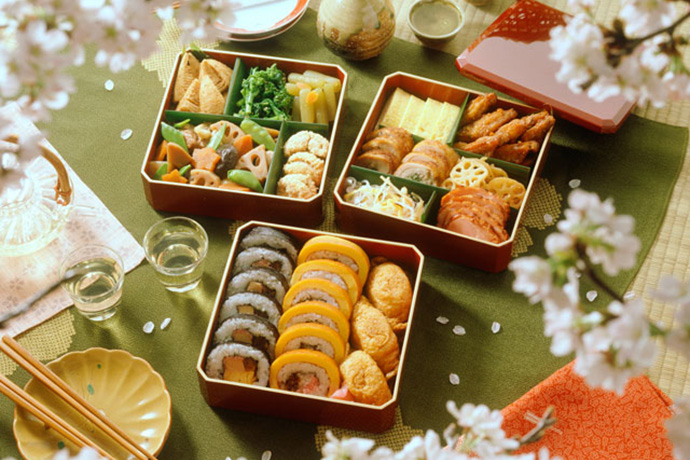
- The Kanto Style (Eastern Japan/Tokyo): In this region, the tofu pockets are cut into standard rectangles or cylinders. They are stuffed full of plain sushi rice, completely covering the opening so they look like neat, golden bundles or rice sacks.
- The Kansai Style (Western Japan/Osaka): In the west, the tofu pouches are cut diagonally into triangles, which locals say resemble the pointed ears of a fox. Furthermore, Kansai cooks rarely use plain rice. Instead, they mix colorful ingredients directly into the sushi rice, such as toasted sesame seeds, finely chopped carrots, simmered shiitake mushrooms, or bright green edamame beans.
Tips for Creating Perfect Inari-zushi at Home
The beauty of inari-zushi lies in its absolute simplicity. It is an excellent recipe for beginners because you do not need any advanced rolling mats or special knife skills. You can purchase pre-cooked, canned inari pouches at almost any Asian grocery store to save time, or make them from scratch using fresh tofu.
When stuffing the pockets, make sure your hands are slightly wet with water or vinegar so the sticky sushi rice does not sushioishii.com cling to your fingers. Gently open the tofu pouch, push a small ball of rice deep into the corners, and fold the bottom edges over to seal it shut. They can be enjoyed at room temperature, making them the absolute perfect snack for outdoor picnics, school lunches, or casual family dinners.
Leave a Reply