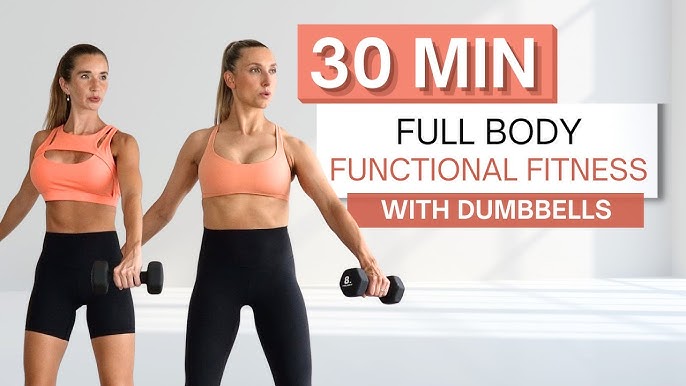
Mastering Hybrid Fitness: The Power of Blending Weight Training and Functional Strength
The fitness world often forces a choice between traditional weight training and functional fitness. Traditional weight training builds muscle size and pure strength by isolating specific areas. Functional fitness focuses on moving well through real-world patterns like bending, pushing, and lifting. Choosing one over the other limits your physical potential. Combining them creates a hybrid fitness approach that builds a body that is both strong and highly capable in daily life.
Understanding the Two Pillars
Traditional weight training relies heavily on progressive overload to stimulate muscle growth, or hypertrophy. It uses tools like barbells, dumbbells, and isolation machines to target specific muscle groups. Think of the classic bicep curl or leg extension. These movements are highly effective for building dense muscle tissue, increasing bone density, and sculpting your physique. However, because these movements often happen in fixed paths, they do not always teach your muscles how to work together as a cohesive unit.
Functional fitness fills this gap by training entire movement patterns rather than isolated body parts. It emphasizes the five primary movements of human biomechanics: squatting, lunging, pushing, pulling, and rotating. Instead of sitting on a machine, functional training requires you to stabilize your own weight while moving through multiple directions. Exercises like kettlebell swings, medicine ball slams, and single-leg deadlifts force your core, nervous system, and stabilizing muscles to activate simultaneously. This type of training builds excellent balance, prevents joint pain, and makes everyday tasks like carrying groceries or lifting heavy boxes feel effortless.
The Benefits of a Hybrid Routine
Merging these two styles creates a balanced routine that offers the best of both worlds. First, you will build a well-rounded physique. While weight training adds muscle volume, functional movements burn a high number of calories and improve cardiovascular endurance. Second, this combination significantly lowers your risk of injury. Traditional lifting builds the raw power of your primary muscles, while functional exercises strengthen the smaller stabilizing muscles around your joints, protecting you from strains and imbalances.
Designing Your Weekly Routine
To successfully blend these methods, structure your workouts around compound, multi-joint movements. Start your session with traditional heavy strength lifts, such as a barbell back squat or an overhead press, when your central nervous https://universalfitclubny.com/ system is fresh. Once your heavy lifting is done, transition into a functional circuit. For example, follow your heavy squats with walking lunges, single-arm dumbbell rows, and a timed farmer’s carry. This approach ensures you trigger muscle growth while immediately challenging your body to use that new strength in a dynamic, real-world way.
Leave a Reply