The Rise of Padel Vinci: How a European Phenomenon Is Rewriting the American Sports Landscape
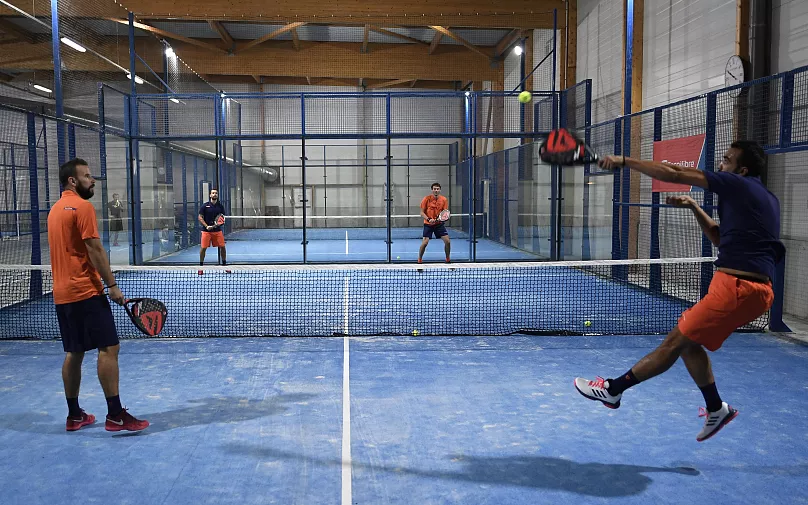
Pickleball may currently dominate headlines as America’s fastest-growing sport, but a new racket sport from Europe and Latin America is rapidly gaining ground in the United States: Padel. Often described as a high-octane hybrid of tennis and squash played inside a glass cage, padel is moving from a niche coastal trend into mainstream American sports culture. Within this movement, the name “Padel Vinci” serves as a vital bridge connecting elite professional athleticism, premium court engineering, and world-class club experiences to a booming U.S. market.
The Cross-Over Appeal: The Roberta Vinci Effect
One of the greatest catalysts for padel’s global credibility is the influx of elite tennis champions transitioning into the sport. Most notably, Roberta Vinci—the former padel vinci Italian tennis superstar, World No. 1 doubles player, and 2015 US Open singles finalist—made waves by transitioning into a professional padel career on the International Padel Federation (FIP) tour.
Vinci’s transition has sent a powerful message to the millions of active tennis players in the United States. Her masterclass net play, razor-sharp volleys, and strategic use of angles demonstrate how tennis skills can be repurposed into padel mastery. For American country clubs and tennis academies looking to retain members, the “Vinci effect” proves that adding padel courts is not a threat to tennis, but rather a premium evolution that attracts high-caliber athletes.
Engineering the Experience: The “Da Vinci” Structural Standard
In the United States, sports are as much about the spectator experience and hospitality as they are about the game itself. This is where the architectural side of Padel Vinci takes center stage. Elite clubs across Florida, New York, and California are increasingly importing the “Da Vinci Super Panoramic” court models engineered by premium European manufacturers.
Unlike traditional padel courts that utilize heavy steel mesh pillars, these panoramic courts feature seamless, thick structural glass walls.
- For Players: It offers an unhindered view of the surrounding facility, creating an open, luxurious environment.
- For Spectators: It delivers flawless visibility, crucial for VIP corporate events and American television broadcasting networks now eyeing the sport.
By elevating the court design to an architectural art form, the American padel market is successfully positioning itself as a premium lifestyle experience, drawing parallels to golf and country club cultures.
The Future of American Padel
The United States is currently experiencing a construction boom for racket sports. Tech hubs like Austin and Miami, alongside major metropolitan centers like New York City, are seeing massive venture capital funding poured into multi-million dollar indoor and outdoor padel clubs.
The sport fits seamlessly into modern American culture. It is highly social (always played as doubles), intensely fast-paced, yet dramatically easier on the joints than tennis or racquetball. Because the learning curve is short, beginners can enjoy competitive rallies during their very first hour on the court.
As premium clubs continue to open and international icons like Roberta Vinci showcase the sport’s professional ceiling, padel is well on its way to becoming a permanent fixture in the American athletic diet. The era of Padel Vinci—where European athletic heritage meets state-of-the-art infrastructure—has officially arrived on American shores.
If you are looking to join the movement, let me know if you would like me to help find padel clubs near your city, recommend the best padel rackets for beginners, or explain the official scoring rules!
Leave a Reply